Zinc alloy die casting is a versatile and reliable manufacturing technology that enables the creation of complex components with high precision and strength for a wide range of industries. A crucial aspect of the production of zinc die-cast parts is the possibility of obtaining complex shapes adapted to modern design requirements, allowing for a harmonious balance between form and function to be achieved. In this post, we will explore the importance of achieving design excellence in zinc die casting and see how functional design can positively influence the success of a product.
The advantages of zinc die-casting
Before we delve into the importance of design, it is essential to understand the benefits of zinc die-casting. This manufacturing process allows for components with complex geometries, small, high-precision details, and thin walls, offering a wide range of design possibilities. Using zamak as a casting material offers, among various positive properties, good mechanical strength, effective resistance to corrosion, and excellent thermal and electrical conductivity. The above advantages facilitate the designer’s work in the search for the most suitable material and production system for the product in the design phase, offering various construction possibilities provided by a single alloy.
The excellence of design
Design is undoubtedly a crucial factor in the success of any product, and in zinc die casting, it is no different. Functional design is all about balancing form and function, combining aesthetics and practicality to create a product that is attractive, functional, and efficiently buildable. In the case of zamak die-casting, the shapes of the product must be designed considering the possibility of being obtained from a mold and the ease of filling the mold with liquid metal. This aspect represents a fundamental factor for an efficient production process, as we have analyzed in the post: Surface defects in zinc die casting: flow marks, blistering and sink
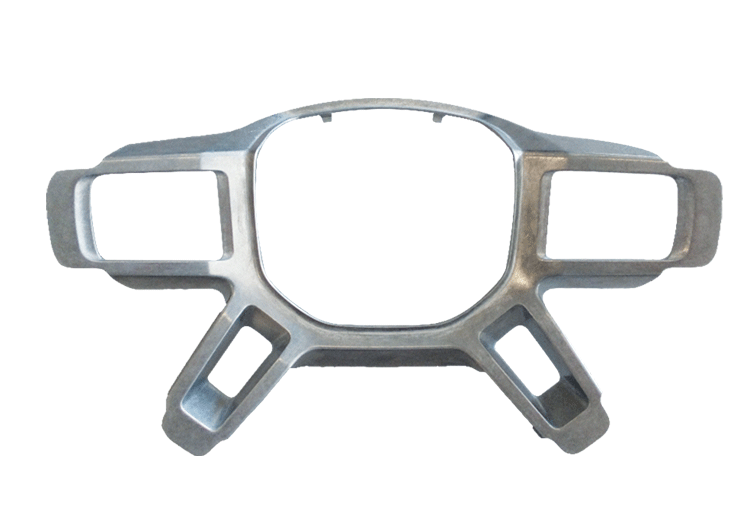
Engineers and designers must also consider several crucial aspects to achieve design excellence.
Features
The functionality of a product is the fundamental element. It is essential to understand the component’s technical specifications and ensure that the design meets these requirements. Just as it is important to verify that the die-casting production process allows the creation of the shapes identified in the design phase, this involves careful assessment of mechanical stresses, tolerances, thermal and electrical properties, and interactions with other components in the system.
Aesthetics
In addition to functionality, aesthetics play a significant role in zinc alloy die-cast products. Well-designed products must be aesthetically pleasing and reflect the manufacturer’s identity. The design must take into account proportions, surfaces, finishes, and other aesthetic elements to ensure an attractive appearance. In fact, zinc alloys accept the application of a great variety of finishes, from various galvanic treatments to any type of coatings. The designer, therefore, has a vast range of solutions at his disposal to define the aspect of the product that is most suitable for the target market.
Feasibility
Zinc die casting offers a high level of flexibility in producing complex components; however, it is essential to consider production feasibility from the beginning of the design process. Designers must understand the capabilities and limitations of the zinc die-casting process and design the component to maximize manufacturing efficiency. For this purpose, close collaboration between designers and die casters is essential; the initial co-design activity is, in fact, one of the most critical elements for achieving the product’s productive and commercial success.
Choice of materials
Choosing the right material is crucial to successfully designing zinc alloy products. Zinc offers a unique combination of properties that can enhance product performance and life. Selecting specific zinc alloys for die casting and optimizing them for the needs of the product can significantly influence its success.
Conclusions
Achieving design excellence in zinc die casting requires carefully balancing design and function. A well-thought-out design not only fulfills the product’s functional requirements but also offers attractive aesthetics and efficient production. Investing time and energy in the design of zinc die-cast components can lead to outstanding results in terms of reliability and commercial success. With the proper attention to detail and collaboration with industry experts, it is possible to produce zinc die-cast components that meet both quality standards and aesthetic expectations.